

MCS-Certified Air Source Heat Pump Bristol
Heating bills climbing every year? Take back control with an air source heat pump designed around your home.

MCS-Certified Air Source Heat Pump Installers In Bristol
Core Renewable Solutions are MCS-certified heat pump installers in Bristol. We design and install air source heat pump systems for homes and businesses across Bristol and the South West, using natural heat from the outside air to run your central heating and hot water all year round.
Every air source heat pump installation is designed around your property, your existing heating system and how your household actually uses energy, not a standard package.
Speak with one of our heat pump installers on 0117 992 3966 or complete the contact form on our website to book a free home survey.
What Our Clients Say About Us
See Why Bristol's Homeowners Choose Us
Hear from home and business owners who have had our team design and install their renewable heating system, and see why they rate us among the leading electrical and renewable providers in Bristol.
Posted on Google
 Robert Wiggins
Trustindex verifies that the original source of the review is Google.
Core Heating and Electrical Solutions Ltd recently installed solar panels with battery storage for us. The package was comprehensive and well thought out. Everything was explained, and nothing was too much trouble. Despite some freezing conditions! the installation went without hitch and quickly. All-in-all it was a pleasure to have Lee and Stuart carry out the installation – friendly and hardworking! We are already seeing the benefits, so thank you.Posted on Google Jane SellickExcellent electrician, very friendly, honest and reliable. Very knowledgeable, sorted out all of our electrical problems. Have used for several different projects and would thoroughly recommend. No job is too small!Posted on Google
 Iain HepburnPunctual and friendly, very good advice.Posted on Google
 Kim BurchillI am a landlord, and I use core because they always arrive when they say they will be there and do a great job, on every job they have been too. Good company 👍Posted on Google
 Gillian PatchHaving used this company for other electrical work, I was pleased to have a trusted and reliable team to install our solar panels. We were charged a competitive rate and Lee and Stuart have done a very professional job with great communication at every stage. Looking forward to substantial savings on my electricity bills.Posted on Google
 Harry JefferyCore Heating & Electrical recently handled our solar installation in Bristol, and we’re very pleased with the results. The team was professional, efficient, and made the whole process straightforward. We’re already seeing the benefits. Highly recommend their services!Posted on Google
 Yeah ManLee and his team are allways honest, neat and hardworking, they’re my first for anything Proffesional or personal! -WillPosted on Google
 DanI've worked with Core for several years now, both for professional projects and personal electrical needs and I highly reccomend Lee and the gang! They always give sound advice, turn up when they say they will and complete jobs to a high standard!Posted on Google
 Luke IlesFantastic service from Core Heating & Electrical! Lee and his team were professional, efficient, and delivered top-quality work for our commercial electrical installation. Highly recommend!
Air Source Heat Pump Efficiency Compared To Gas Boilers
The reason a heat pump can lower your energy bills has nothing to do with cheap electricity. It is that a heat pump moves heat rather than making it. Gas boilers burn fuel and lose a share of it up the flue, so the best they can ever do is put out slightly less heat than the energy they consume. An air source heat pump extracts heat from the outside air and delivers more heat energy than the electrical power it uses.
| Heating system | Typical efficiency | Heat produced per unit of electricity |
|---|---|---|
| Air source heat pump | 300% to 400% | Up to four units of heat |
| Modern condensing gas boiler | Around 90% | Not applicable, burns fuel |
| Older gas boilers | 70% to 80% | Not applicable, burns fuel |
| Electric storage heaters | Around 100% | One unit of heat |
Modern heat pumps can achieve a coefficient of performance, or COP, of over 3.0, and heat pumps can achieve efficiencies up to 400%. For every unit of electricity used, heat pumps generate up to four units of heat.
Efficiency on paper is not the same as a lower bill, and we will not pretend otherwise. Your running costs depend on how well the property holds heat, whether your radiators are sized for lower flow temperatures, and the electricity tariff you are on. Heat pumps generally operate continuously at lower, steadier temperatures than gas boilers, which is a different way of heating a house and takes a properly designed system to get right.
Our director Lee runs a fully electric home in Warmley on solar, battery storage and an air source heat pump. You can read a full year of his actual bills here.
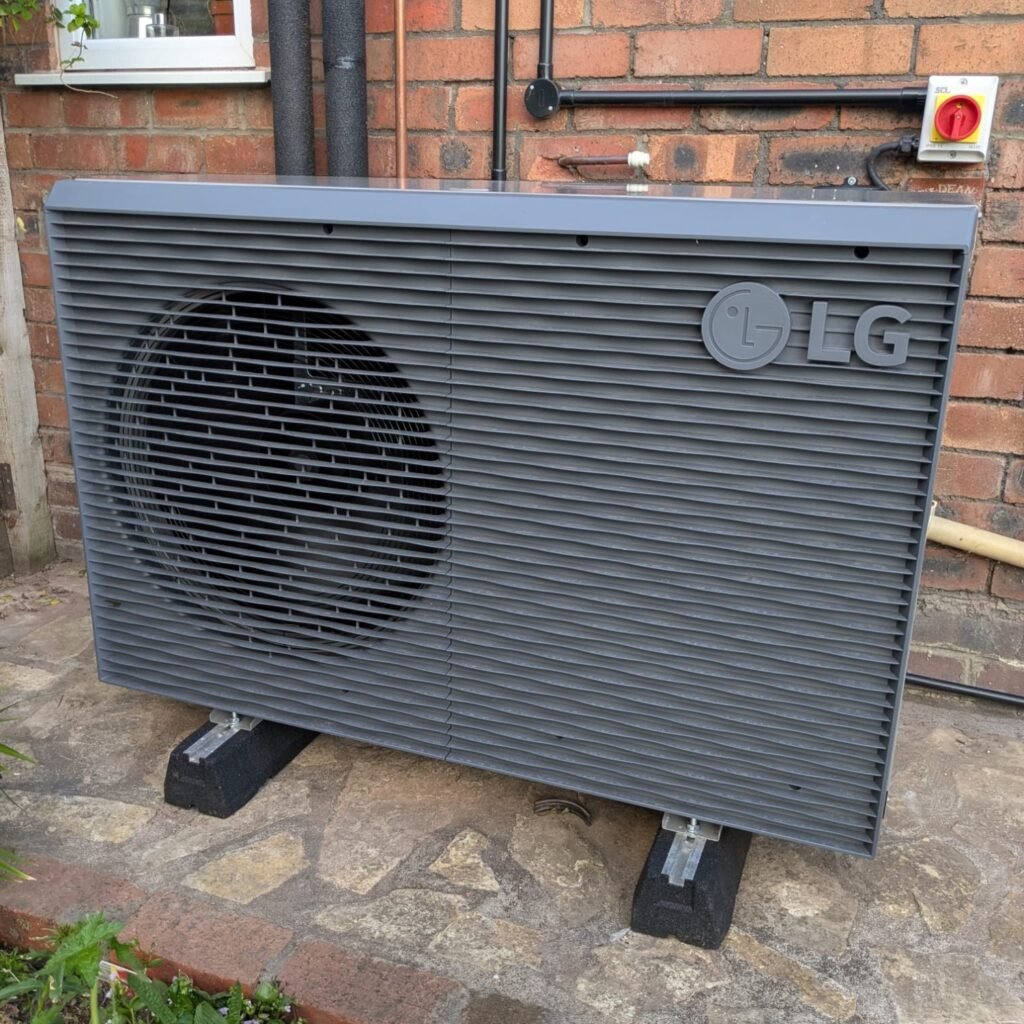
Looking For Air Source Heat Pump Installation In Bristol?
Most people come to us at the same point. The gas boiler is 15 years old, it has been repaired twice, and the quotes coming back for a like-for-like replacement feel like throwing money at a system that will be obsolete inside its own lifetime. Meanwhile the energy bills keep climbing and none of it is within your control.
Air source heat pump installation changes what you are buying. Instead of paying for fuel to be burned, you pay for electricity to move natural heat from the outside air into your home. That means lower carbon emissions, more predictable energy costs, and a heating system that is being built for rather than phased out.
At Core Renewable Solutions we are MCS-certified heat pump installers working across Bristol and the South West. Our MCS certification number is NAP-77210 and we trade as Core Heating and Electrical Solutions Limited. That certification is what makes your installation eligible for the Boiler Upgrade Scheme, and it is the standard your system is designed, installed and signed off against.
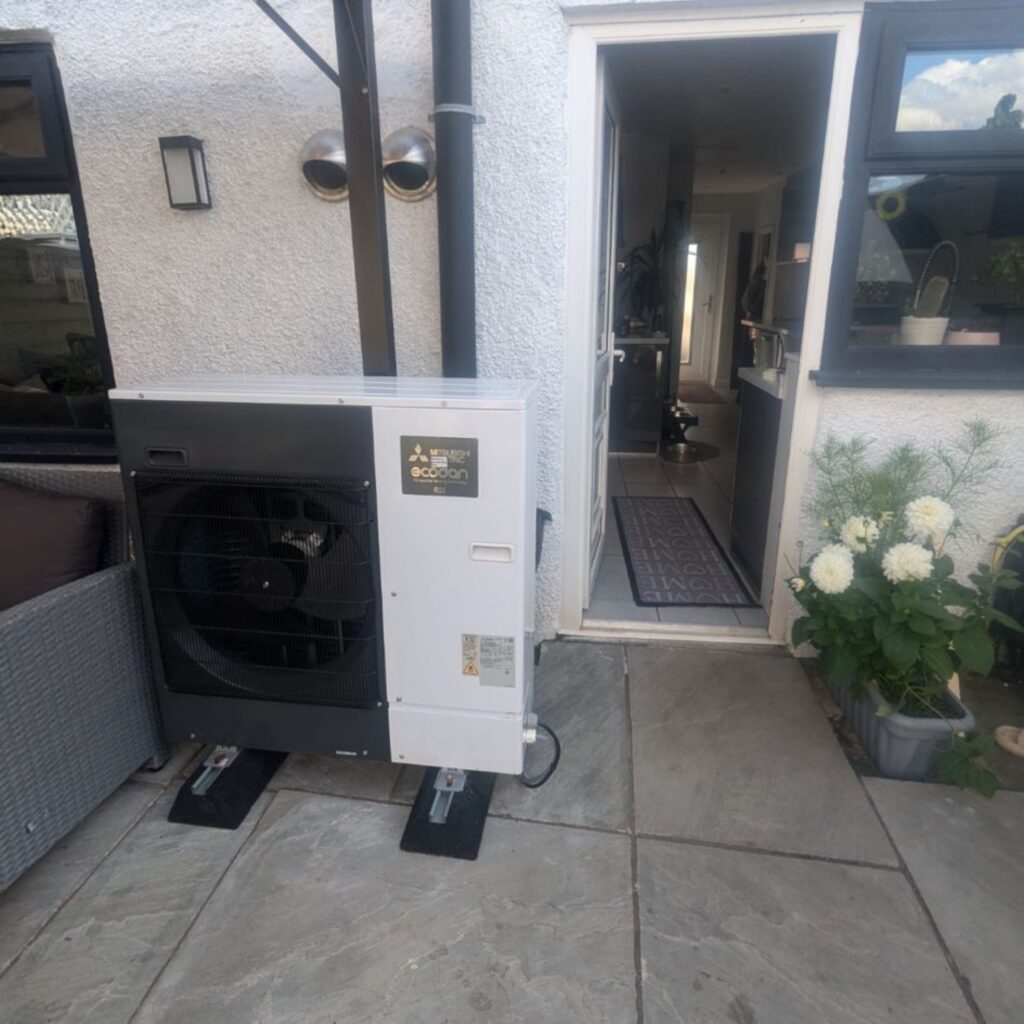
How Does An Air Source Heat Pump Work?
An air source heat pump extracts thermal energy from the outside air and uses it to run your central heating and hot water. It works on a refrigeration cycle similar to a household fridge, only in reverse. A fridge takes heat out of the food inside and moves it out into the room. A heat pump takes heat out of the outside air and moves it into your home.
The outdoor heat pump unit draws in passing air across an evaporator, where heat pumps absorb heat from outdoor air into a fluid refrigerant. The system then compresses that refrigerant gas to increase its temperature and pressure. The hot refrigerant transfers thermal energy into water for your heating system, feeding your radiators, underfloor heating and hot water cylinder.
Even in freezing temperatures, outdoor air contains usable heat, which is why a correctly sized system keeps working through a Bristol winter. Modern heat pumps operate efficiently even in low temperatures, and Bristol’s mild climate compared with much of the UK works in your favour year-round.
What to Expect
Your Air Source Heat Pump Installation Process
From your free home survey through to certification and aftercare, here is how a heat pump installation with us runs.
1
Free Site Survey & Quote
One of our engineers visits your property to carry out a home survey that assesses your heating system and insulation needs. We look at heat loss, radiator sizes, your hot water demand, available outdoor space and where the outside wall or ground position for the unit can work. You get a clear, no-obligation quote with no pressure attached.
2
System Design & Approval
We produce a full system design report covering the heat pump unit specified for your property, radiator or underfloor heating changes if any are needed, and the hot water cylinder arrangement. We also handle the Boiler Upgrade Scheme paperwork and confirm your eligibility before anything is booked in.
3
Installation & Connection
Installation typically takes 2 to 5 days in Bristol, depending on the property, access and whether radiator or cylinder work is included. The outdoor unit is fitted externally and the internal work connects into your central heating, hot water and controls. There will be short periods without heating or hot water, and we plan the work to keep those to a minimum.
4
Certification & Aftercare
Once the heat pump is fitted we commission the system, balance it and set the controls for how you actually live. Commissioning includes user manuals and warranty information, MCS certification and the grant paperwork. We then walk you through running it, because a heat pump rewards being left to tick over rather than switched on and off like a boiler.
Our Work
Renewable Installations Completed Across Bristol And The South West
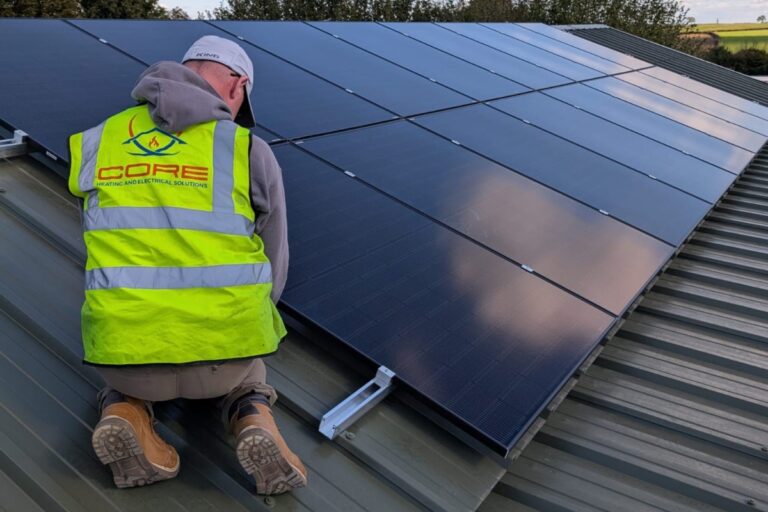
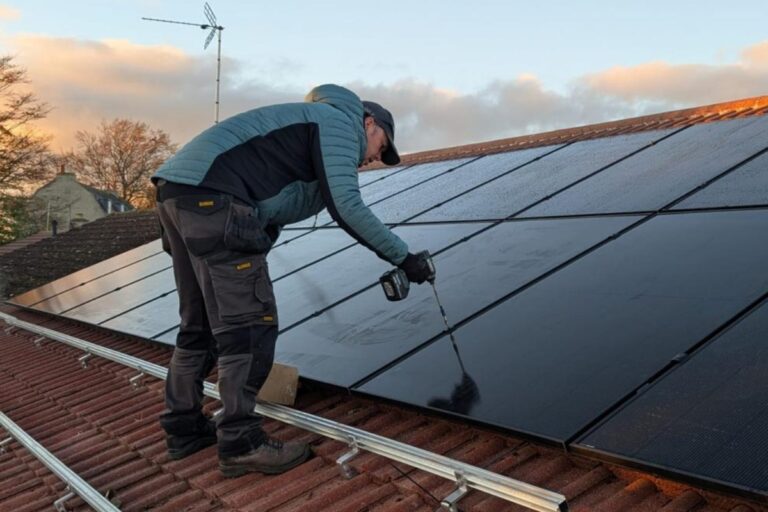
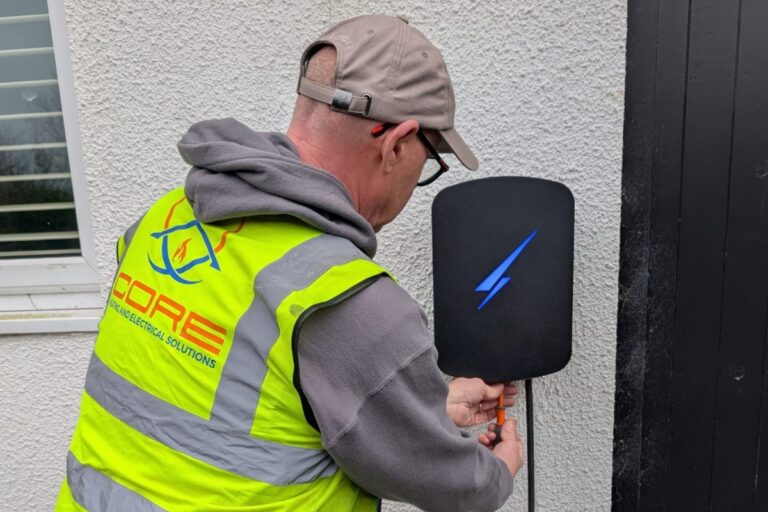
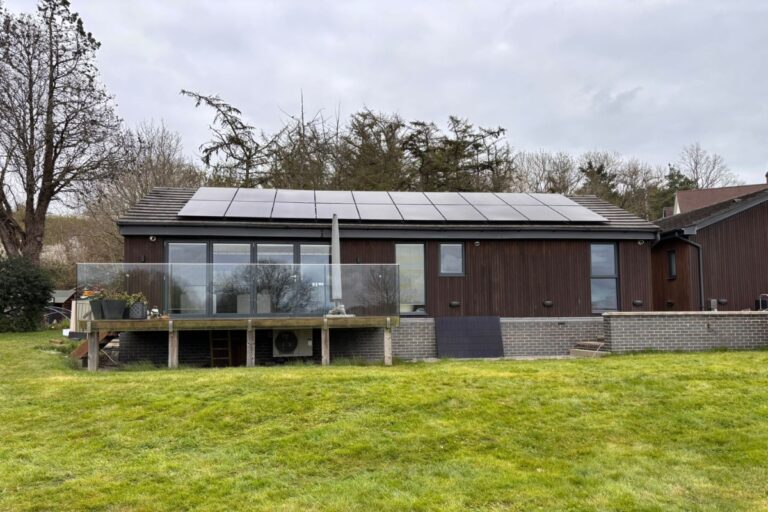
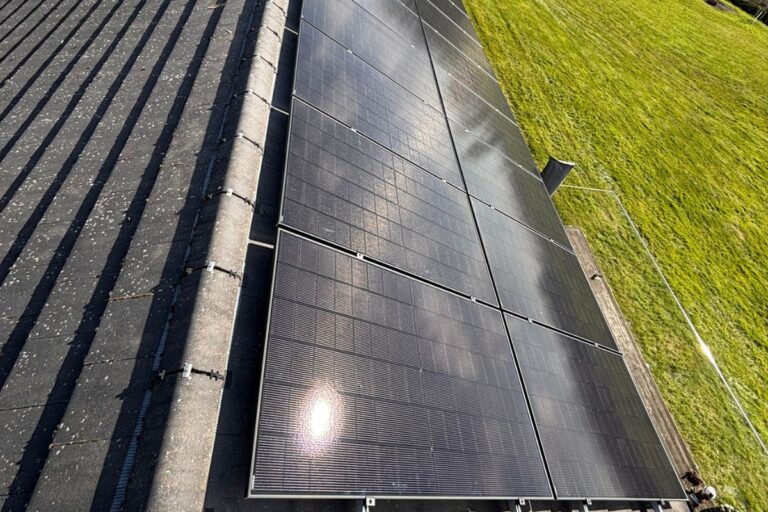
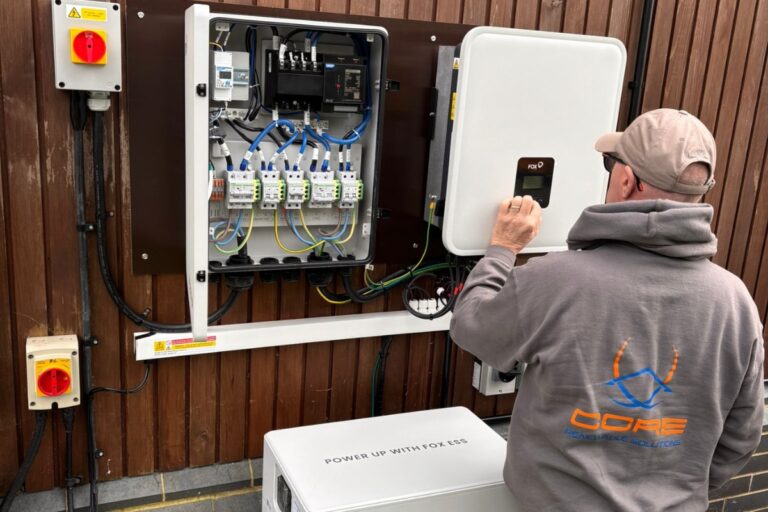
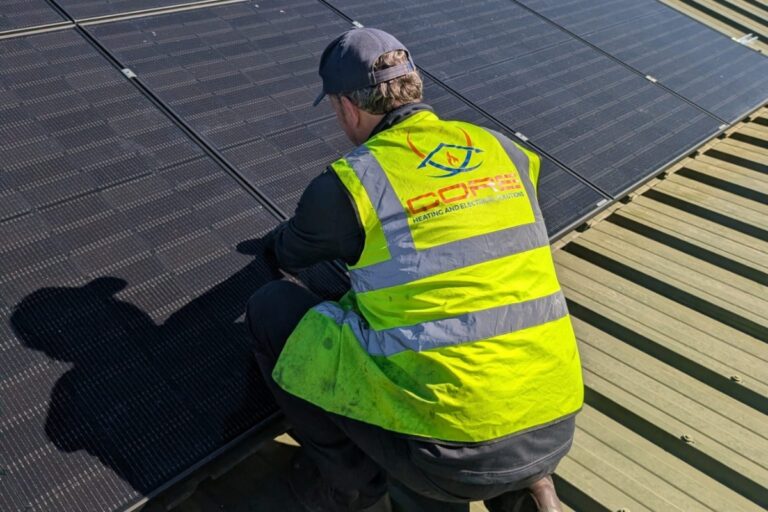
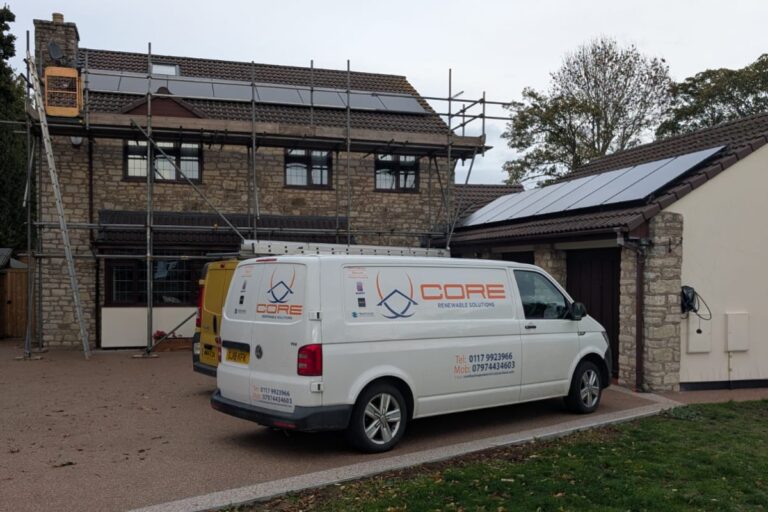
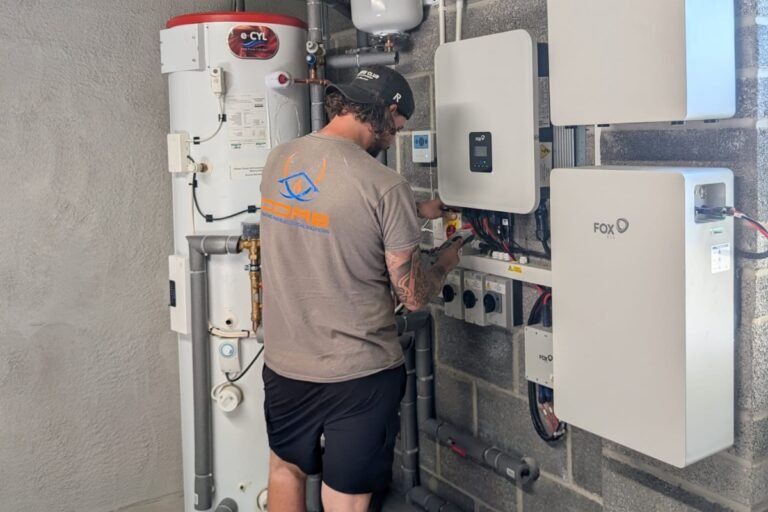
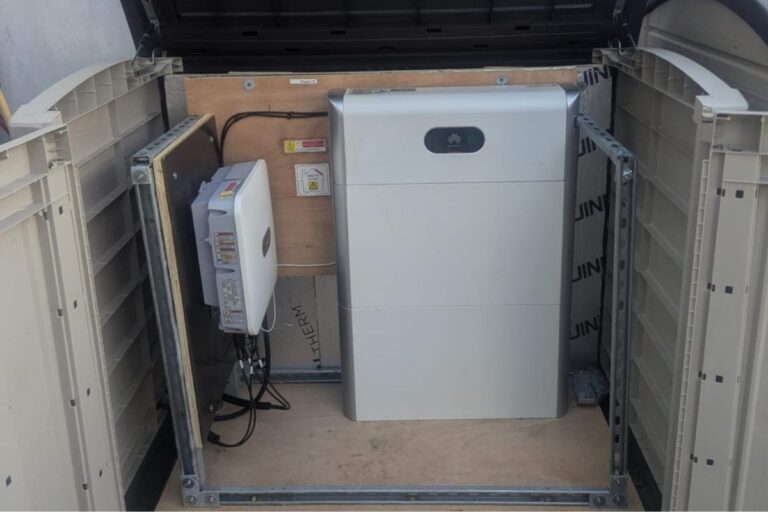
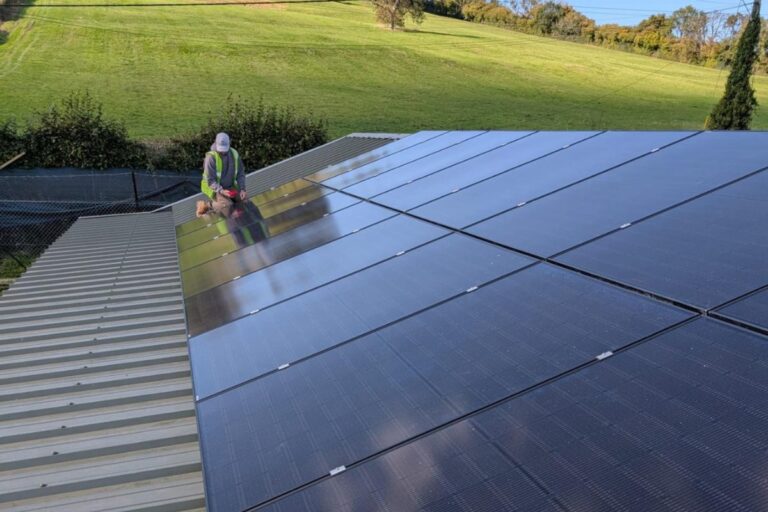
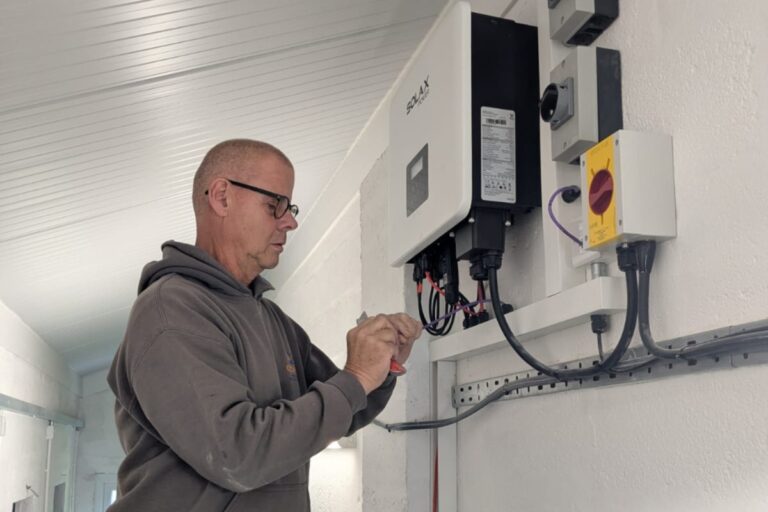
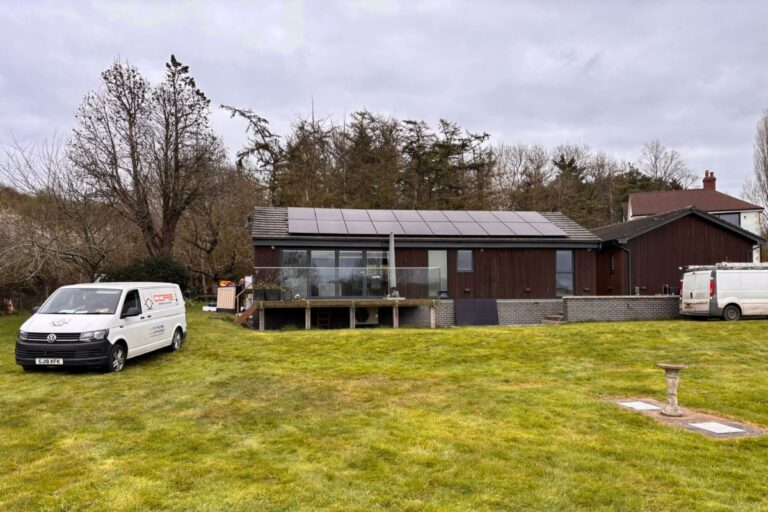
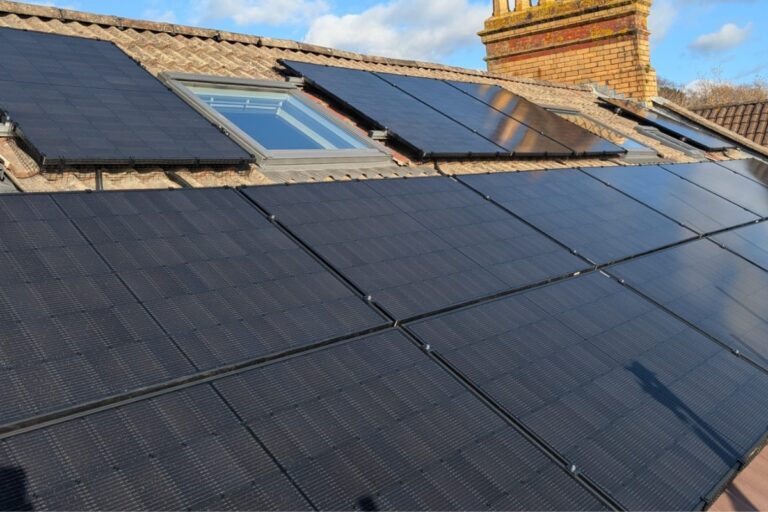
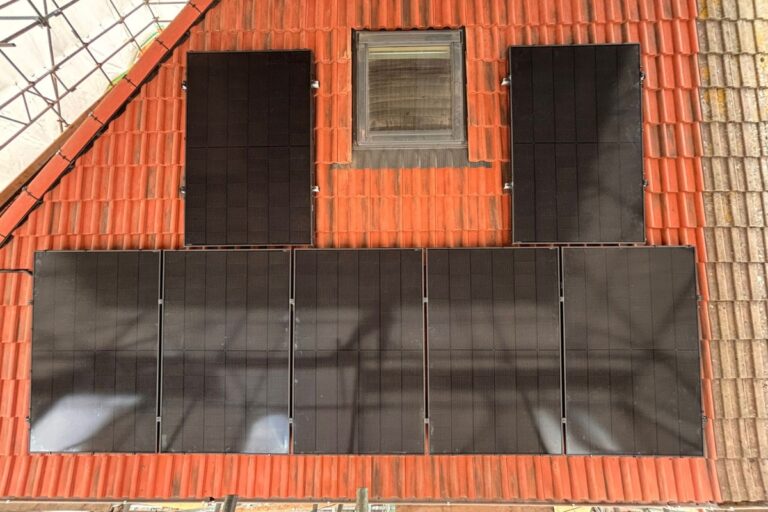
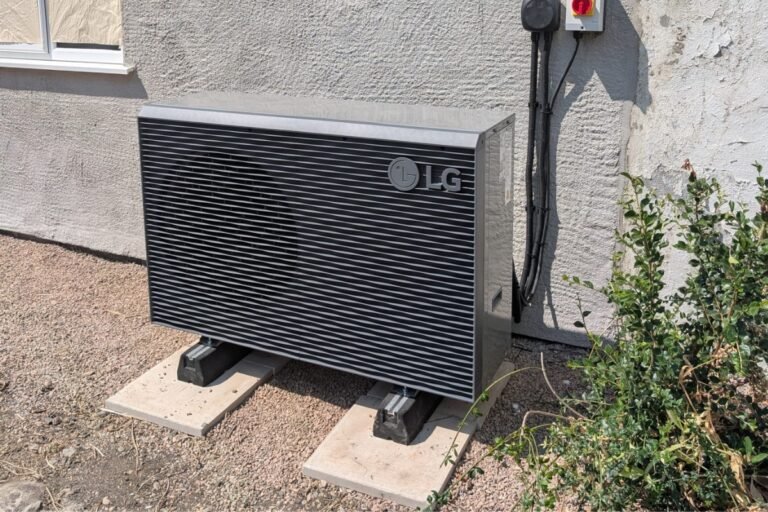
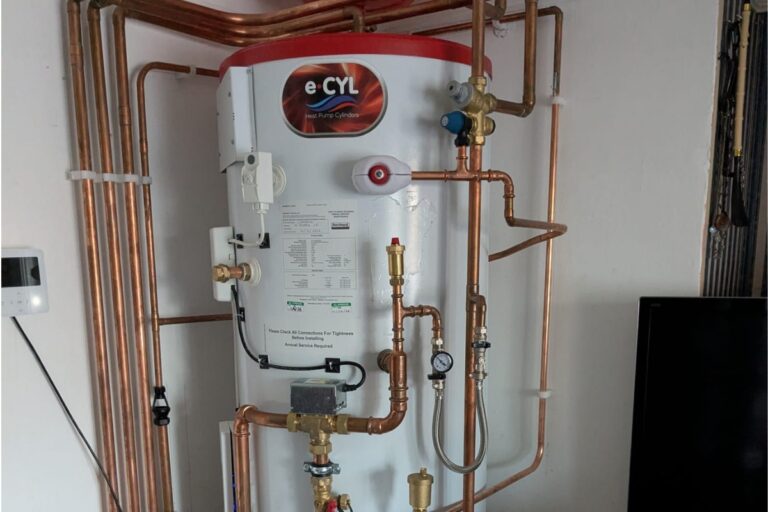
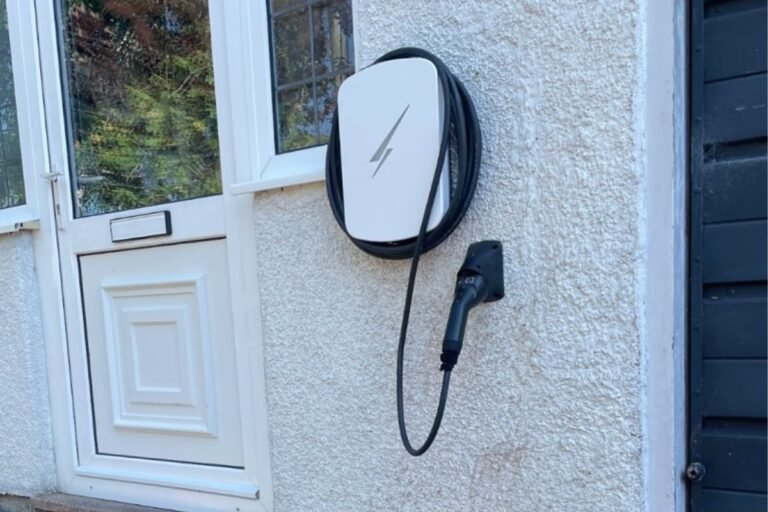
Every system is designed around the property, its heat loss and the way the household uses energy. Browse our completed heat pump installations below and see the standard of work our MCS-certified team delivers.
Get a Free Quote
Request A Free Air Source Heat Pump Home Survey
Fill in the form to request your free home survey. One of our MCS-certified installers will visit your property, assess your heating system, insulation levels, radiators and outdoor space, and provide a personalised heat pump recommendation with expected running costs and a no-obligation quote.
Prefer to talk? Call us on 0117 992 3966 to schedule your free site survey.
- MCS-certified installers
- Established since 1998
- Respond within 24 hours
- Serving Bristol & the South West
Why Install An Air Source Heat Pump?
Why Air Source Heat Pumps Make Sense For Bristol Homes

Lower And More Predictable Energy Bills
Heat pumps reduce energy bills significantly over time by using natural heat from the outside air instead of burning gas or oil. You move from buying fuel at whatever the market decides to running a highly efficient system on electricity you can increasingly generate yourself.

Heating And Hot Water Year Round
A properly sized heat pump delivers steady heating and hot water through winter and holds a consistent temperature rather than swinging between hot and cold. Bristol’s climate enhances heat pump efficiency year-round compared with colder parts of the UK.

Cut Your Carbon Emissions
Switching to heat pumps cuts household operational carbon emissions by up to 70%. Bristol aims to reach carbon neutrality by switching from gas boilers to low carbon heating systems, and replacing a gas boiler with a renewable heating system is the single biggest change most households can make.

Get Your Free Air Source Heat Pump Quote Today
Ready to move off a gas boiler and cut your heating costs? Call 0117 992 3966 or complete the contact form on our website and one of our MCS-certified heat pump specialists will be in touch to talk through your property.
We install air source heat pumps for homes and businesses across Bristol and the South West, and every quote includes a free home survey and a clear system design before you commit to anything
Heat Pumps Bristol
Our Air Source Heat Pump Services
Air Source Heat Pump Installation
Heat Pump Servicing And Maintenance
Commercial Air Source Heat Pump Installation
Pairing An Air Source Heat Pump With Solar Panels And Battery Storage
A heat pump runs on electricity, so the obvious question is what happens when electricity prices rise. The answer is to generate as much of it as you can yourself.
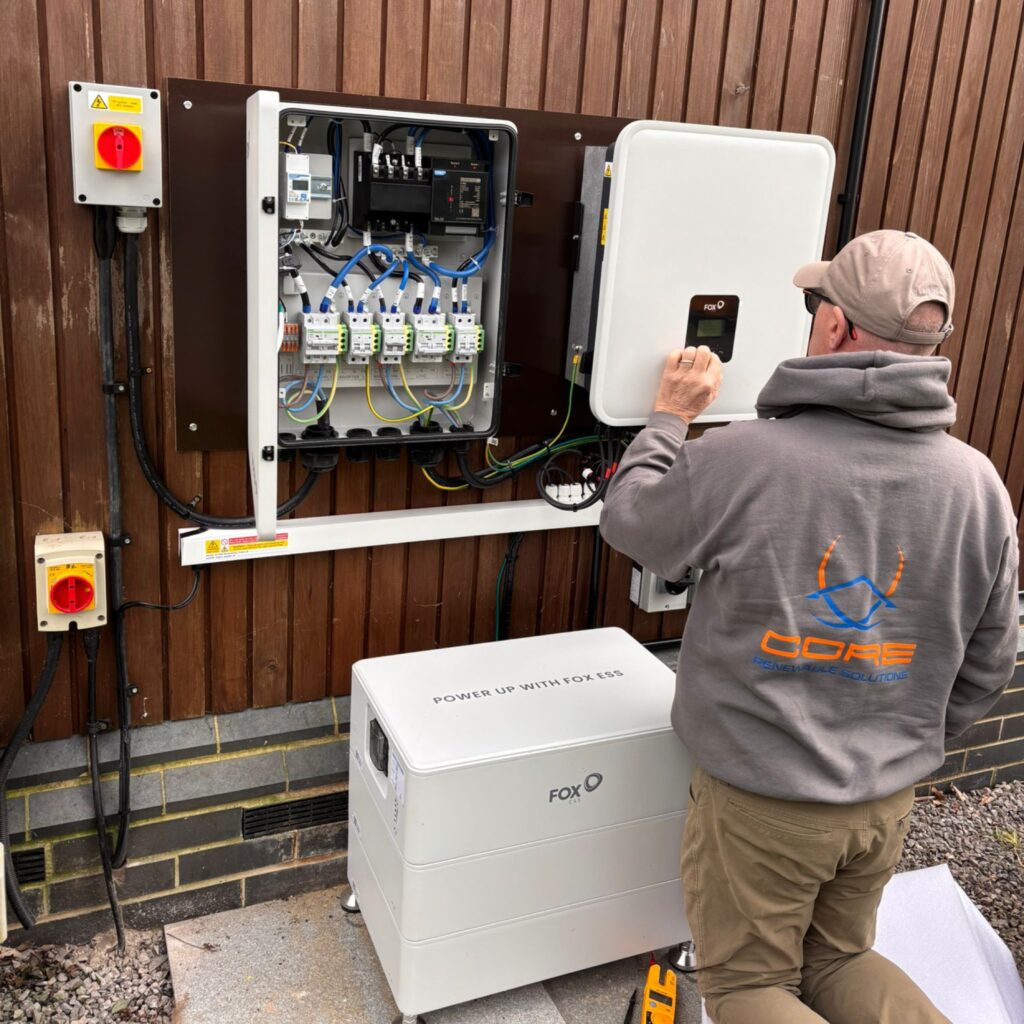
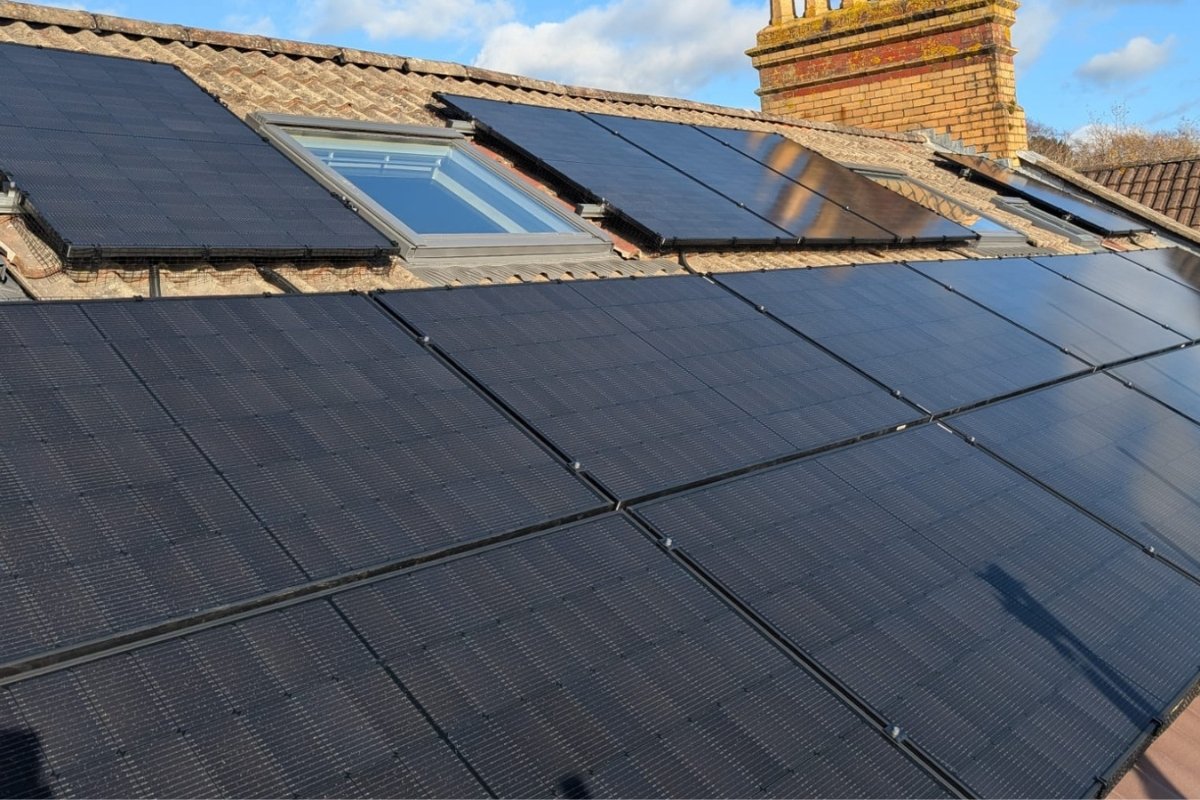
Pairing an air source heat pump with solar panels and battery storage turns your roof into the fuel supply for your heating. Solar panels generate through the day, the battery holds what you do not use immediately, and the heat pump draws on that stored energy in the evening instead of buying at peak rate. It is the closest most homes get to heating themselves for free.
This is not theory for us. Our own director’s house in Warmley runs solar PV, battery storage and an air source heat pump together, and we published a full year of the electricity bills so you can see what it actually costs to run.
We install all three, so the system is designed as one thing rather than three separate energy upgrades bolted together by different contractors.
Installing Air Source Heat Pumps Across Bristol And The South West
Core Renewable Solutions are Bristol-based air source heat pump installers, working from Warmley across the city and the wider South West. Our experienced team covers the full range of local property types, from Victorian terraces in the inner city to interwar semis and newer estates on the edge of Bristol.
We regularly install air source heat pumps across Bristol, Kingswood, Keynsham, Warmley, Clifton, Henbury, Portishead, Clevedon and Yatton, along with the surrounding towns and villages of North Somerset and South Gloucestershire.
If you are not sure whether you fall inside our local area, call 0117 992 3966 and we will tell you straight away.
Insights & Case Studies
Air Source Heat Pump FAQs
Are you MCS certified?
Yes, Core Renewable Solutions are fully MCS-certified solar panel installers in Bristol. Trading under the business name ‘Core Heating and Electrical Solutions Limited’, you can find us by using the MCS Certified find an installer page. Our MCS certification number is NAP-77210. You can also view our MCS profile here.
MCS certification confirms that our solar panel installations meet strict UK quality, safety and performance standards. It also ensures your solar PV system is eligible for schemes such as the Smart Export Guarantee, allowing you to receive payments for excess energy exported back to the grid.
What is the Microgeneration Certification Scheme?
The Microgeneration Certification Scheme is the UK quality standard for renewable energy systems, covering heat pumps, solar PV and battery storage. Installers are assessed against standards for design, installation and safety, and installations are registered and certified on completion. MCS certification ensures quality from local installers and is the mechanism through which government grants are administered.
How do I choose the right heat pump installer in Bristol?
Look for four things. MCS certification, without which you cannot access the Boiler Upgrade Scheme. A proper home survey with a heat loss calculation, not a quote produced from your postcode and the number of bedrooms. A written system design report that explains the flow temperatures and any radiator changes. And local knowledge, because local installers understand Bristol’s unique heating challenges, from solid-wall Victorian terraces to the city’s conservation areas.
A quote that arrives without a survey is a quote for a system nobody has designed.
How much does an air source heat pump cost to install in Bristol?
Installation costs vary depending on your property, your existing central heating setup, radiator sizes, insulation levels and hot water demand. Access to the outside wall or ground position, the pipe runs required and whether a hot water cylinder needs adding all change the figure.
We carry out a full home survey and then give you a clear quote covering the installation, the right system size and any work needed to keep running costs low. The Boiler Upgrade Scheme grant is deducted from that quote, so you see the real net figure rather than a headline price.
What grants are available for air source heat pumps?
The Boiler Upgrade Scheme is the main route in England and Wales, offering grants up to £7,500 towards an air source heat pump. It replaced the Domestic Renewable Heat Incentive and applications opened on 23 May 2022.
The grant is only available through an MCS-certified installer, and it is applied to your quote rather than paid to you. We handle the application with Ofgem as part of the installation.
Households currently heated by oil or LPG and off the mains gas grid should ask us about the increased grant level available for off-gas-grid properties, as this is time limited and the amounts have changed recently. We will confirm exactly what you qualify for at survey stage.
What financial support is available towards the upfront cost?
The main route is the Boiler Upgrade Scheme, administered by Ofgem and applied straight to your quote by your installer. Government grants of this kind are only available through MCS-certified installers, so certification is worth confirming before you compare prices between companies.
Alongside the national government incentives, some households qualify for further help through energy company obligation schemes, and your local authority occasionally runs its own funding for low income households. Bristol City Council publishes what is currently open, and it is worth checking with the local authority before you commit to anything.
We work through every route you qualify for at survey stage rather than leaving you to piece the financial support together yourself.
Will an air source heat pump lower my monthly energy bills?
It depends on what you are replacing and how well the property holds heat. Households coming off oil, LPG or electric heating usually see monthly energy bills fall immediately. Households on mains gas see a smaller change at first, and the gap widens as energy prices move.
What decides it is whether the system can run efficiently at low flow temperatures. A heat pump forced to drive a central heating circuit hard because the radiators are undersized will draw more energy than it needs to, and your energy costs will show it. A system designed around the property’s heat loss will not.
We size every system to lower energy bills rather than to fit a standard specification, and the expected running costs are in your quote before you decide anything.
Are air source heat pumps cheaper to run than gas boilers?
They can be, and the deciding factors are insulation, radiator sizing and your electricity tariff. Because a heat pump moves heat rather than burning fuel, it delivers more heat energy than the electrical power it consumes, and that efficiency is what offsets the higher unit price of electricity against gas.
In a well insulated home with correctly sized radiators and a suitable tariff, running costs compare favourably with an older gas boiler. In a draughty, poorly insulated property with undersized radiators, they will not. This is why the survey matters, and why we will tell you if we think insulation work should come first.
How long does it take for a heat pump to pay for itself?
Payback depends on installation cost after grant support, what fuel you are replacing, your energy usage and how efficiently the system is set up. Households moving off oil or LPG generally see the fastest return, because those fuels cost more per unit of heat than mains gas.
We include expected running costs in your quote so you can work the payback out on your own numbers rather than an industry average.
Are air source heat pumps worth it in the long term?
Energy prices are the part of a household budget nobody controls. A heat pump installation changes where you sit in relation to them, because the system uses electricity to extract heat from the outside air rather than to create heat directly, so every unit you buy goes further than it would through direct electric central heating. The colder it gets the harder the unit works, but it will still extract heat from air well below freezing.
A heat pump installation also lasts. Most systems run for fifteen to twenty years, and across that period the electricity supplying it gets cleaner as the grid takes on more renewable energy. The carbon footprint of your heating falls without any further work from you, so an environmentally friendly system today becomes more so each year it runs.
If you are weighing a heat pump installation against another gas boiler for your central heating, the question is less about this coming winter and more about where energy prices, heating regulation and renewable energy generation are heading over the life of the installation. We give you the running cost figures at survey stage so the comparison is made on numbers rather than assumption.
Do heat pumps increase property value?
A low carbon heating system improves a property’s EPC rating and its running costs, both of which matter to buyers. Any figure put on the uplift depends heavily on the property and the local market, so we would rather point you at the certain benefit, which is lower energy bills and a heating system that will not need replacing before the next set of regulations lands.
Do air source heat pumps work in cold UK winters?
Yes. Even in freezing temperatures, outdoor air contains usable heat that a heat pump can extract. Output does reduce as the temperature drops, which is exactly why the system is sized against your property’s heat loss on a cold day rather than an average one.
Bristol’s mild climate compared with much of the UK works in your favour. Modern heat pumps operate efficiently even in low temperatures.
Will a heat pump keep my house warm enough?
Yes, when it is designed properly for the property. Heat pumps deliver steady warmth over longer periods rather than short bursts of very hot water through the radiators. Most complaints about heat pumps not heating a house trace back to a system that was undersized, a set of radiators that were never upgraded, or controls left set up as though it were a boiler.
We assess heat loss, radiator output and insulation, then size the heat pump and set the controls accordingly.
What temperature do heat pumps run at?
Air source heat pumps supply water at lower flow temperatures than traditional boilers, typically between 35°C and 55°C. Underfloor heating systems suit the lower end of that range, while radiator-based central heating usually sits at the higher end. Hot water is heated to around 60°C.
Running at lower temperatures is what makes the system efficient. It also means radiators feel warm rather than hot, and the house is heated continuously rather than in bursts.
Do heat pumps work with existing radiators?
Often yes, though some homes need larger radiators to give the same heat output at a lower flow temperature. Where upgrades are needed they are usually straightforward and limited to a few rooms rather than the whole house.
We measure the output of your existing radiators against each room’s heat loss during the survey and tell you exactly which ones, if any, need changing before you commit.
Should I be considering ground source heat pumps instead?
Ground source heat pumps take warmth from below the surface rather than from the air, and because temperatures in the ground stay steadier across the year they can run at slightly higher efficiency. The obstacle is what it takes to reach that heat. Ground source heat pumps need collector pipes buried in trenches or boreholes drilled deep into the ground, which means a large plot, weeks of disruption and a considerably higher upfront cost.
For the majority of Bristol properties that rules ground source heat pumps out on land alone. An air source heat pump fitted to an outside wall or sited at ground level feeds the same central heating system, qualifies for the same grant and is far more cost effective once the upfront cost is taken into account.
Core Renewable Solutions installs air source systems only. If you have the land and you specifically want ground source heat pumps, you will need an installer certified for that technology.
Can I run my air source heat pump on solar panels?
Yes, and it is the pairing that gives you the most control over what you pay. Solar panels generate through daylight hours, and a heat pump running your central heating draws steadily rather than in short spikes, so the two suit each other well.
Battery storage takes it further. The battery holds the renewable energy your solar panels produce during the day and releases it through the evening, when heating demand is at its highest and grid electricity costs the most. The more energy you use from your own solar panels, the less the market price matters to you.
We install solar panels, battery storage and air source heat pumps, so the system can be designed as one thing rather than three projects bolted together by different contractors.
What are the environmental benefits of an air source heat pump?
A gas boiler burns fossil fuel inside your home every time the central heating comes on. An air source heat pump burns nothing. It moves natural heat that is already in the outside air into your central heating and water, which is what cuts your carbon footprint rather than moving it somewhere else.
Switching to heat pumps cuts household operational carbon emissions by up to 70%. As the national grid draws more of its supply from renewable energy sources such as wind and solar, that figure improves each year on its own, making heat pumps one of the few environmentally friendly upgrades that gets better after it is fitted.
The environmental benefits go further than carbon emissions. Taking gas combustion out of the property removes the flue gases that come with it, and it is a practical step towards the sustainable future Bristol has committed to through its carbon neutrality target. Every renewable energy system we install moves a property in that direction.
Is my home suitable for an air source heat pump?
Most properties are. What matters is heat loss, insulation levels, radiator capacity, somewhere to put a hot water cylinder and adequate outdoor space for the unit and its airflow.
Home insulation levels are crucial for heat pump efficiency, and over half of Bristol homes need energy efficiency improvements of some kind. That does not rule a heat pump out, but it does change the design and sometimes the order of work. A home survey is the only honest way to answer this for your property.
Can heat pumps be installed in older properties?
Yes, and Bristol has plenty of them. Solid-wall Victorian and Edwardian terraces across Bedminster, Totterdown, Easton and Southville lose heat faster than modern construction, so the system has to be designed around that reality. More insulation, particularly loft and floor insulation, and larger radiators in the coldest rooms usually make the difference.
We will be straight with you if a property needs work before a heat pump makes sense. A system installed correctly into a prepared house performs. One dropped into an unprepared house disappoints.
How do you work out my heating needs?
With a site visit and a room by room heat loss calculation. We measure the property, check insulation levels, look at your existing central heating and radiator sizes, and ask how the household actually lives, because a house occupied all day has different heating needs from one that sits empty until six.
That calculation sets the size of the unit and the flow temperature the central heating will run at. Sizing a system from the number of bedrooms is how undersized installations and disappointed customers happen. If the site visit shows that more insulation would make a material difference to your heating needs, we will tell you and explain what it changes before you spend anything on a heat pump installation.
How long does installation take?
Installation typically takes 2 to 5 days to complete, depending on the property, access and whether radiator or cylinder work is included in the scope.
Will installation disrupt my home?
Disruption is manageable. The heat pump unit is fitted outside, and the internal work connects into your central heating, hot water and controls. There will be short periods without heating or hot water, which we plan around, and most households stay at home throughout.
Do I need space for a hot water cylinder?
Usually yes. Heat pumps typically require space for a hot water cylinder and associated plumbing, because they heat water steadily to a store rather than instantly on demand like a combi boiler. If you currently have a combi, finding a home for the cylinder is one of the first things we look at during the survey. An airing cupboard, loft space or utility area normally works.
Where can the outdoor unit go?
Heat pumps require adequate outdoor space for installation and airflow. The unit is normally sited at ground level or mounted on an outside wall, and heat pumps can be installed in various outdoor spaces provided air can move freely around them.
We also consider noise, distance to neighbours, servicing access and keeping pipe runs short. During the survey we will recommend the position that gives the best efficiency and the least visual impact.
How do I get a free estimate?
Call 0117 992 3966 or complete the contact form and we will arrange a site visit at a time that suits you. There is no charge and no obligation attached to it.
To save time, it helps to have a recent energy bill to hand and a rough idea of your property type and age. If you are not certain whether you sit inside our local area, ask when you call and we will tell you straight away rather than sending someone on a wasted journey.
Our experienced team will then produce a free estimate covering the installation, the system design and what the heat pump should cost you to run.
Do I need planning permission for a heat pump in Bristol?
Most domestic heat pump installations fall under permitted development regulations, which means no planning application is needed.
The rules in England were relaxed on 29 May 2025 and this made a real difference in Bristol. The requirement to site the unit at least one metre from your property boundary was removed, the maximum unit size was increased, and detached houses can now have up to two units under permitted development. For terraced streets and homes with small gardens, that removed the obstacle that used to end the conversation.
Permitted development still comes with conditions, and the main one is now noise.
