

Heat Pumps Bristol
Tired of rising energy bills? Cut your heating costs with an air source heat pump in Bristol.
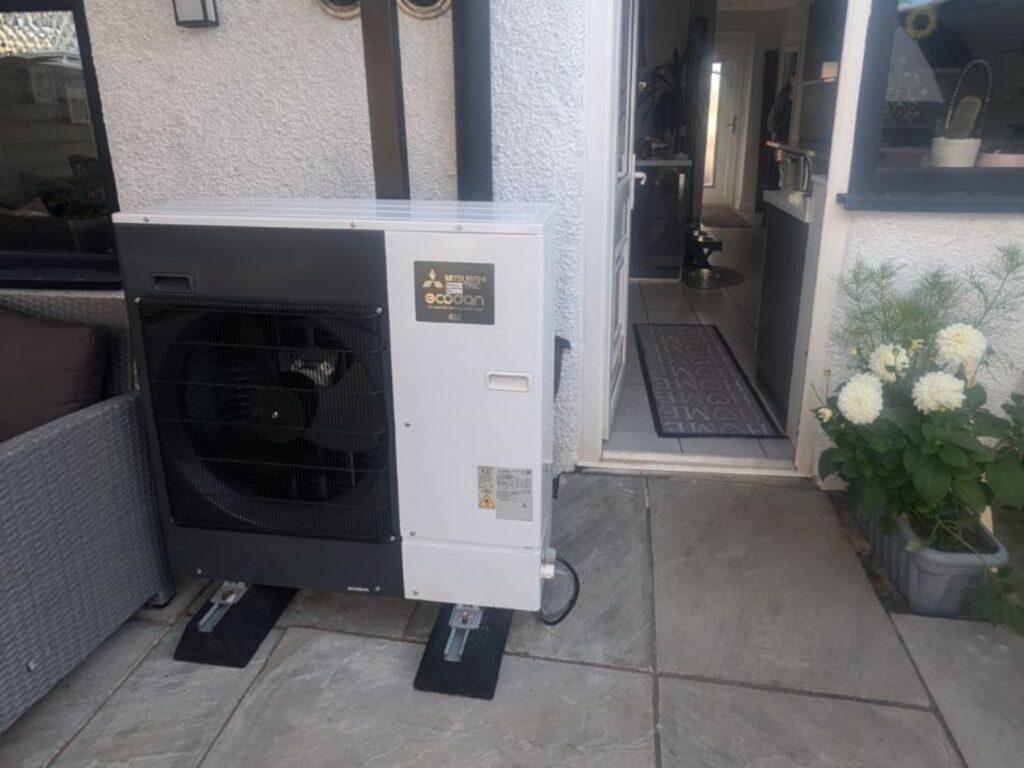
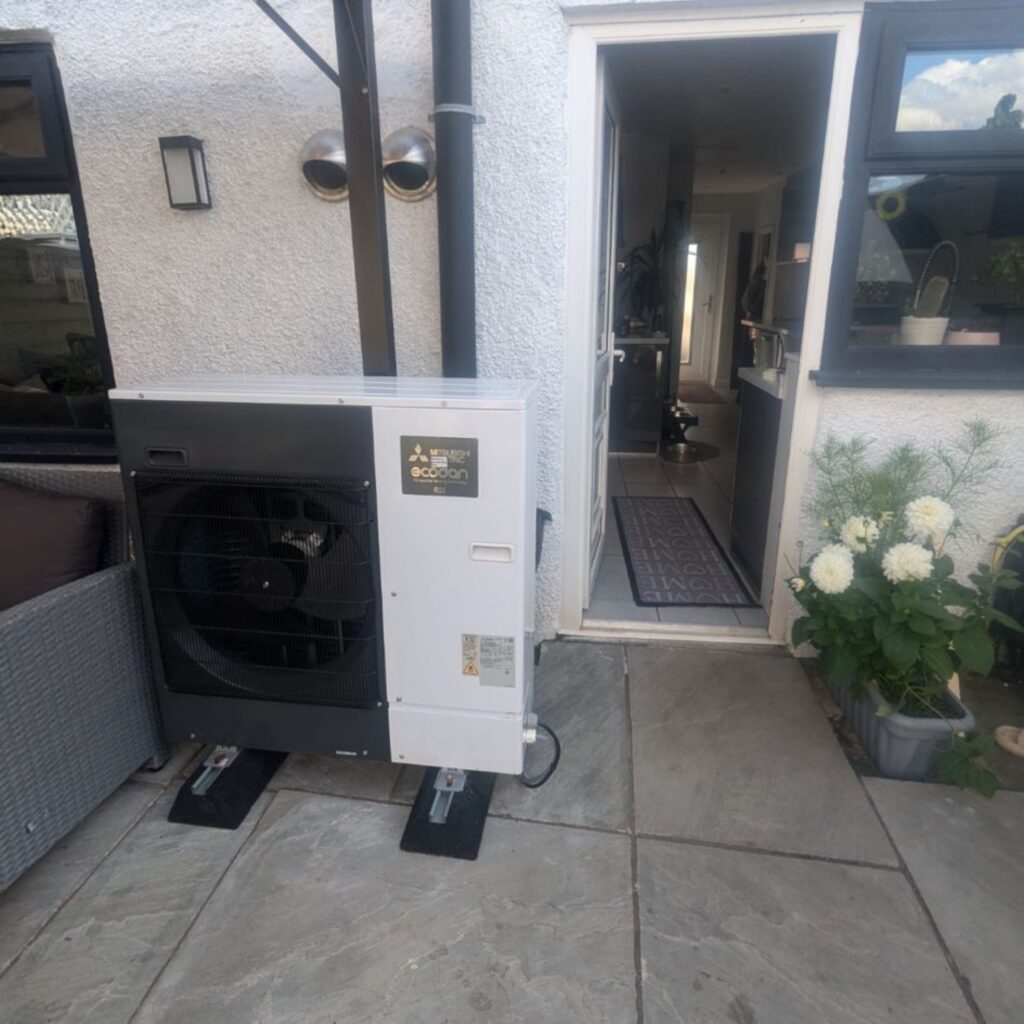
MCS-Certified Air Source Heat Pumps In Bristol
Core Renewable Solutions are MCS-registered specialists in air source heat pumps Bristol. We design and install efficient heat pump systems that use natural heat from the outside air to provide reliable heating and hot water all year round.
Call our expert heat pump installers on 0117 992 3966 or contact us online today for your free heat pump installation quote.
What Our Clients Say About Us
See Why Bristol's Residents Choose Us
Hear from home and business owners who’ve experienced our service and see why they say we’re the top electrical and renewable providers in Bristol.
Posted onTrustindex verifies that the original source of the review is Google. Core Heating and Electrical Solutions Ltd recently installed solar panels with battery storage for us. The package was comprehensive and well thought out. Everything was explained, and nothing was too much trouble. Despite some freezing conditions! the installation went without hitch and quickly. All-in-all it was a pleasure to have Lee and Stuart carry out the installation – friendly and hardworking! We are already seeing the benefits, so thank you.Posted onTrustindex verifies that the original source of the review is Google. Excellent electrician, very friendly, honest and reliable. Very knowledgeable, sorted out all of our electrical problems. Have used for several different projects and would thoroughly recommend. No job is too small!Posted onTrustindex verifies that the original source of the review is Google. Punctual and friendly, very good advice.Posted onTrustindex verifies that the original source of the review is Google. I am a landlord, and I use core because they always arrive when they say they will be there and do a great job, on every job they have been too. Good company 👍Posted onTrustindex verifies that the original source of the review is Google. Having used this company for other electrical work, I was pleased to have a trusted and reliable team to install our solar panels. We were charged a competitive rate and Lee and Stuart have done a very professional job with great communication at every stage. Looking forward to substantial savings on my electricity bills.Posted onTrustindex verifies that the original source of the review is Google. Core Heating & Electrical recently handled our solar installation in Bristol, and we’re very pleased with the results. The team was professional, efficient, and made the whole process straightforward. We’re already seeing the benefits. Highly recommend their services!Posted onTrustindex verifies that the original source of the review is Google. Lee and his team are allways honest, neat and hardworking, they’re my first for anything Proffesional or personal! -WillPosted onTrustindex verifies that the original source of the review is Google. I've worked with Core for several years now, both for professional projects and personal electrical needs and I highly reccomend Lee and the gang! They always give sound advice, turn up when they say they will and complete jobs to a high standard!Posted onTrustindex verifies that the original source of the review is Google. Fantastic service from Core Heating & Electrical! Lee and his team were professional, efficient, and delivered top-quality work for our commercial electrical installation. Highly recommend!

Air Source Heat Pump Installers
Your Trusted Local Experts For Air Source Heat Pump Installation In Bristol
Struggling with high energy bills or an old heating system that’s costing too much to run? Installing an air source heat pump is a smart, efficient way to lower costs, reduce your carbon footprint and enjoy consistent heating and hot water all year round. At Core Renewable Solutions, we’re trusted MCS-registered heat pump installers in Bristol, known for quality, expertise and reliable service on every project.
We specialise in air source heat pumps, ground source heat pumps and full heat pump installation across Bristol. Our experienced engineers help you choose the right heat pump for your property, access government grants like the Boiler Upgrade Scheme and benefit from highly efficient systems that use natural heat from the outside air. That means lower energy bills, long-term savings and complete confidence in your home’s heating.
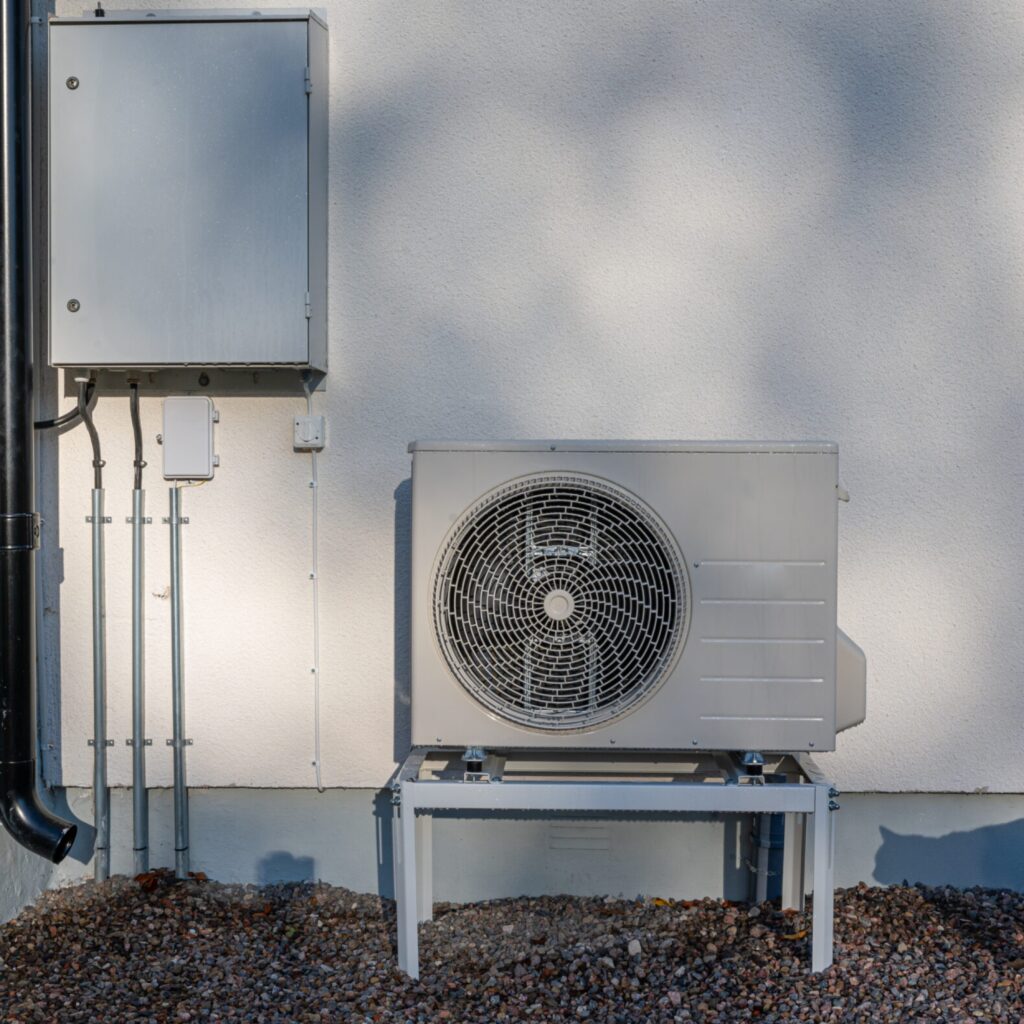
Air Source Heat Pump Maintenance In Bristol
Regular heat pump maintenance is essential to keep your air source heat pump system running efficiently and your energy bills low. Over time, heat pumps can lose performance due to dust, refrigerant levels or airflow issues, meaning higher running costs and less reliable heating and hot water. With professional servicing, you’ll maintain high efficiency, extend your system’s lifespan and prevent costly breakdowns before they happen.
At Core Renewable Solutions, we provide expert air source heat pump maintenance for homes and businesses across Bristol and the South West. Our qualified heat pump engineers inspect, clean and optimise every part of your system, from the outside air unit to the evaporator and controls, ensuring smooth, quiet operation all year round. Whether we installed your system or you’re looking for trusted local support, our team keeps your heating performing at its best.
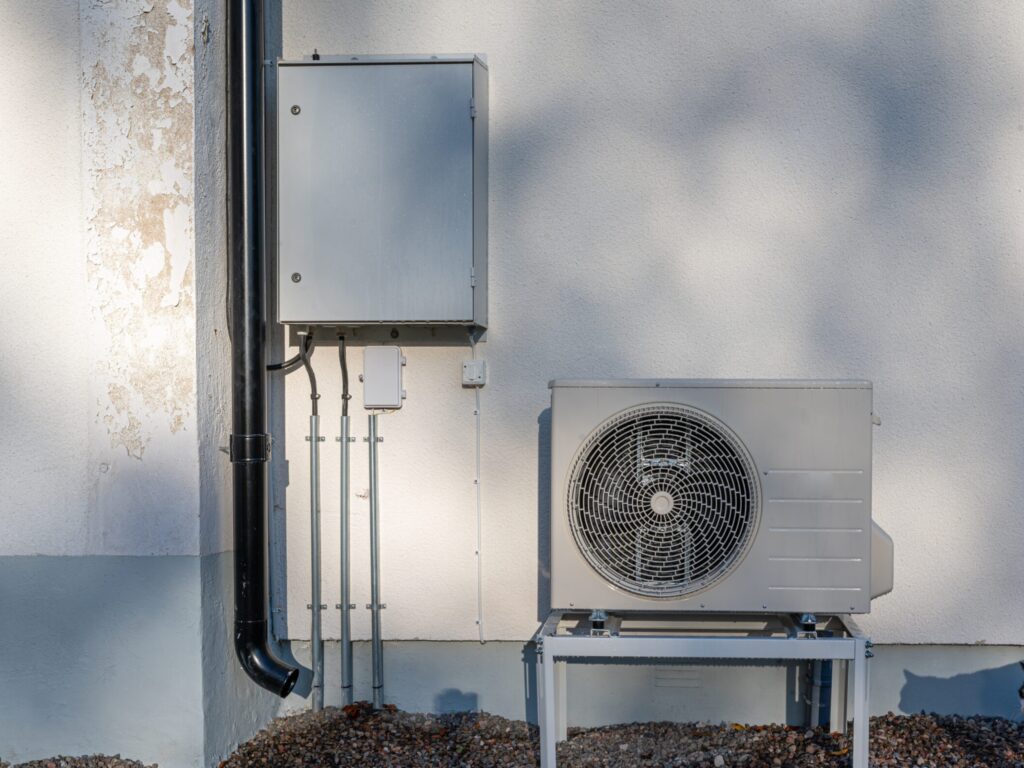
Our Heat Pump Installation Process

Our Heat Pump Installers Will Get To Work
Once approved, our experienced heat pump installers get to work. We handle every part of the installation process, from fitting the outdoor air unit to connecting your hot water system. Your new air source heat pump is tested, certified and ready to deliver reliable, low-cost heating for years to come.

Receive Your Free Heat Pump Installation Quote
Our qualified heat pump engineers carry out a full site assessment and design a highly efficient heating system tailored to your needs. You’ll receive a clear, no-obligation quote showing expected energy savings, running costs and available government grants.

Contact An Air Source Heat Pump Expert
Get in touch to book your free consultation. We’ll ask a few quick questions about your property, current heating system, and energy goals, then arrange a home survey to confirm suitability for an air source heat pump installation in Bristol.
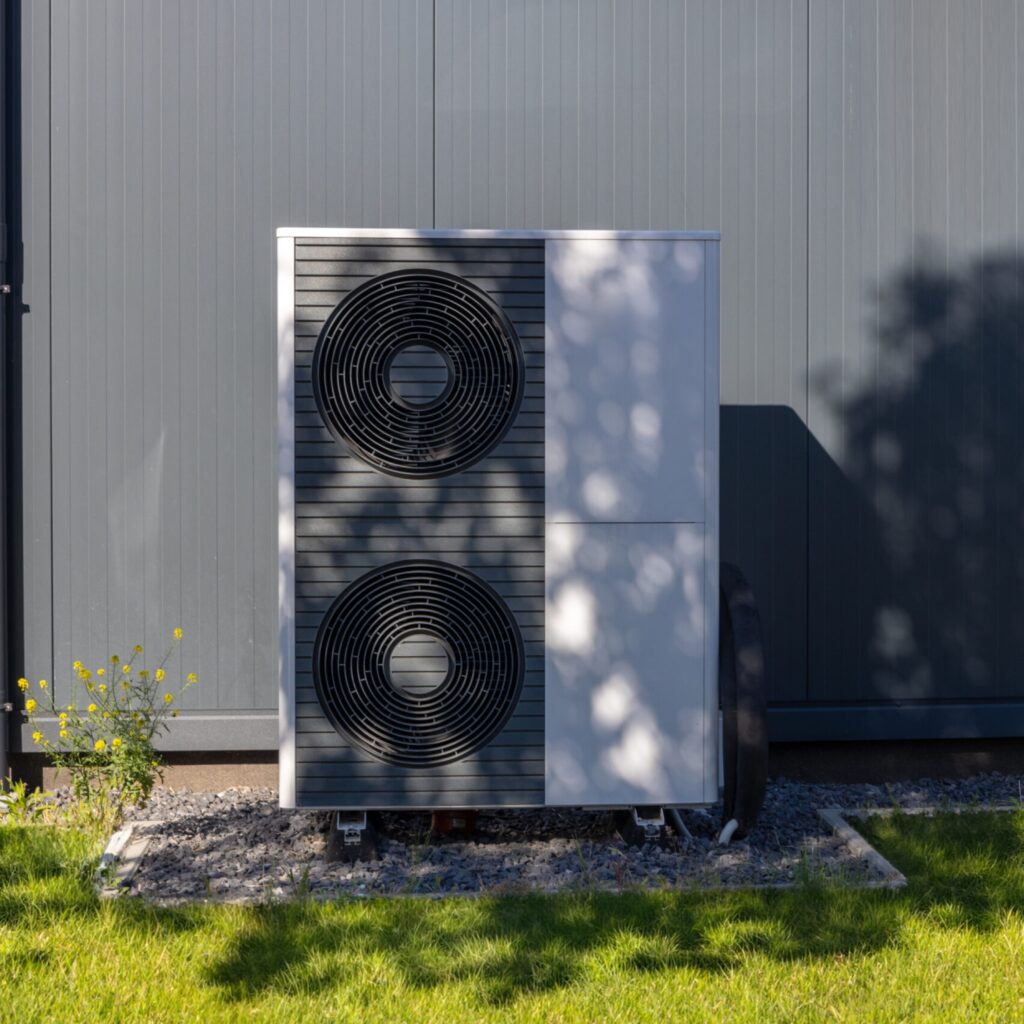
Air Source Heat Pump Experts
How Does An Air Source Heat Pump Work?
An air source heat pump extracts natural heat from the outside air and converts it into usable energy to warm your home and provide hot water. It’s an efficient, low-carbon alternative to traditional boilers, helping you cut energy bills and lower your carbon footprint.
The system works by drawing in passing air through an outdoor unit, where a refrigerant absorbs the heat. This heat is then compressed to a higher temperature and transferred indoors to power your radiators, underfloor heating or water cylinder. Even in cold weather, air source heat pumps operate efficiently, providing consistent warmth while using less energy than standard heating systems. Every setup is designed around your property, usage and comfort needs.
The Benefits Of Installing Heat Pumps
Why More Homeowners Are Choosing Air Source Heat Pumps

Save Money On Your Energy Bills
Switching to an air source heat pump can significantly lower your energy bills by using natural heat from the outside air instead of gas or oil. You’ll reduce your reliance on the grid, take control of rising energy prices and enjoy long-term savings through a highly efficient heating system.

Year Round Comfort
An air source heat pump provides reliable heating and hot water in winter and can even offer cooling in summer. It automatically adjusts to outdoor conditions, maintaining consistent indoor temperatures and keeping your property comfortable throughout every season.

Reduce Your Carbon Footprint
By installing an air source heat pump, you’ll lower your carbon footprint and help combat climate change. These renewable heating systems generate clean energy with minimal emissions, making them an eco-friendly upgrade for any home aiming for a more sustainable future.

Get Your Free Air Source Heat Pump Quote Now
Ready to cut your heating costs and switch to a cleaner, more efficient system? Call 0117 992 3966 now or fill out our contact form online. One of our MCS-certified heat pump specialists will be in touch to discuss your property and provide a free quote.
Join the growing number of Bristol homeowners and businesses upgrading to air source heat pumps, reducing energy bills, lowering their carbon footprint and enjoying reliable heating all year round.
Air Source Heat Pump FAQs
Are you MCS certified?
Yes, Core Renewable Solutions are fully MCS-certified heat pump installers in Bristol. Trading under the business name Core Heating and Electrical Solutions Limited, you can find us via the official MCS Certified “Find an Installer” directory. Our MCS certification number is NAP-77210.
MCS certification confirms that our air source heat pump installations meet strict UK quality, safety, and performance standards. It also ensures your heat pump system is eligible for government incentives such as the Boiler Upgrade Scheme, allowing qualifying homeowners to access available grant funding.
How much does an air source heat pump cost to install in Bristol?
Air source heat pump installation cost in Bristol will vary depending on your property, current heating system, radiator sizes, insulation, and the design of the central heating and hot water setup.
Your total cost can also change based on access, outdoor unit position, and any system upgrades required. We carry out a full survey and then provide a clear quote that reflects the installation process, the right system size, and the work needed to keep energy bills and running costs as low as possible.
How much money can I expect to save with an air source heat pump?
On average, air source heat pumps save homeowners roughly £300 to over £1,000 per year on energy bills. Savings will depend on your current fuel (gas, oil, LPG, electric), your energy use, how insulated the property is, and how efficiently the system is set up.
A heat pump uses electricity to move heat rather than create it, absorbing natural heat from the outside air and transferring it indoors. With the right design and controls, many homeowners reduce energy bills and gain more predictable energy costs over time, while also cutting carbon footprint and improving environmental benefits.
Are air source heat pumps cheaper to run than gas boilers?
They can be, especially in well-insulated homes with properly sized radiators and a well-tuned heating system. A source heat pump typically delivers more heat energy than the electricity it uses by extracting heat from the air via a heat exchanger, refrigerant, and evaporator cycle. That high efficiency can reduce running costs versus older gas boilers.
Final costs still vary depending on electricity tariffs, fuel prices, property heat loss, and how the system operates day to day. Using solar PV to generate electricity, when paired with an air source heat pump, is one of the most effective ways to reduce energy bills, lower running costs, and maximise long-term savings.
What grants or incentives are available for heat pumps?
In England and Wales, the main support is the Boiler Upgrade Scheme, which offers £7,500 towards an air source heat pump (and also supports ground source heat pumps). Eligibility applies and the installation must be completed by an MCS-certified installer, like Core Renewable Solutions, for the grant route. We’ll explain how the scheme works, check suitability, and guide you through the process during your quote so the incentive reduces your upfront installation cost.
How long does it take for a heat pump to pay for itself?
Air source heat pumps generally offer a 5-10 year payback. This period typically varies depending on installation cost, grant support, current heating fuel, energy costs, and how much you can lower ongoing energy bills.
A well-designed air source heat pump system can deliver long-term savings, particularly when replacing expensive fuels and when the property is insulated. While results vary depending on usage and tariffs, most homeowners choose heat pumps for a mix of cost control, renewable energy benefits, and reduced carbon emissions over the lifetime of the system.
Do heat pumps increase property value?
Yes, installing a heat pump can increase property value. Market estimates suggest homes with renewable energy upgrades such as air source heat pumps may see value increases ranging from 1.7% to 10%, with potential gains of £5,000–£12,000+, depending on the property and local market conditions.
Energy efficiency plays a major role in buyer decisions. Research indicates over 70% of buyers prioritise high EPC ratings, and many are willing to pay more for homes with lower running costs and modern, low-carbon heating systems. While value uplift varies, heat pumps are widely viewed as a smart long-term investment that improves efficiency, comfort, and overall market appeal.
Do air source heat pumps work in cold UK winters?
Yes. Air source heat pumps are designed to extract heat from outside air even in winter, then transfer it indoors using a refrigerant cycle and heat exchanger. Output can reduce as temperatures drop, but a correctly sized system still provides consistent heat and hot water. The key is matching the system to the property’s heat loss and running it steadily, rather than expecting short bursts of very high temperature heat like a boiler.
Will a heat pump keep my house warm enough?
Yes, when the system is designed properly for your property. Heat pumps deliver steady, comfortable heat through central heating rather than quick high-temperature blasts. We assess insulation, radiators, and how your home uses energy, then size the pump and controls accordingly. This ensures the system can maintain the temperatures you need, improve comfort, and reduce energy bills.
Do heat pumps work with radiators?
Yes, air source heat pumps work with radiators, but some homes may need radiator upgrades to get the best efficiency. Heat pumps usually run at lower flow temperatures (often around 35–55°C) than gas boilers, so radiators may feel less hot to touch while still heating the room effectively. If needed, we’ll recommend larger radiators or minor changes so your heating system can deliver the right heat output at the right temperature.
Are heat pumps expensive to run?
Not typically, because a heat pump moves heat rather than generating it by burning fuel. Running costs depend on electricity price, how insulated the building is, how the system operates, and your hot water demand. A well-designed source heat pump installation can reduce energy costs and support stable energy bills, especially when replacing older systems.
What temperature do heat pumps produce?
Air source heat pumps typically operate at lower flow temperatures than traditional boilers. Most systems supply water between 35°C and 55°C, with many standard setups running efficiently around 40°C to 50°C.
Lower temperatures are ideal for modern heating systems such as underfloor heating, while radiator-based systems commonly operate between 45°C and 55°C. High-temperature heat pumps can reach 60°C to 80°C, making them suitable for certain retrofit properties with smaller radiators.
Heat pumps also provide hot water, usually heated to around 60°C. Because they deliver steady heat over longer periods, lower temperatures improve efficiency, comfort, and long-term energy performance.
Is my home suitable for an air source heat pump?
Most properties are suitable, but it depends on heat loss, insulation, available outdoor space, and your current central heating and hot water setup. We look at radiator sizes, how your home uses energy, and where the outdoor unit can be installed with good airflow. A survey lets us confirm the right system size, the installation requirements, and whether any upgrades (like insulation or radiators) will improve comfort and efficiency in your Bristol home.
If you would like a free site survey to see if your home is suitable for an air source heat pump, contact us at 0117 992 3966 now or fill out our contact form on our website.
Can heat pumps be installed in older properties?
Yes, many older properties can use air source heat pumps successfully. The main factor is heat loss, which varies depending on insulation, draughts, windows, and radiator capacity. Older homes often benefit from targeted insulation improvements and sometimes radiator upgrades so the heat pump can run efficiently at lower temperatures. We’ll assess your property and design a system that delivers reliable heat and hot water, while keeping energy bills and disruption under control.
How long does installation take?
A typical air source heat pump installation usually takes a few days, but it varies depending on the property, access, and whether you need additional work such as radiator upgrades, cylinder changes, or controls. Most work is planned so the process is smooth, with clear stages: survey, design, install, commissioning, and handover. Once installed, the system is tested and set up so it operates efficiently and supports consistent central heating and hot water.
Will installation disrupt my home?
Disruption is usually minimal and manageable. The outdoor unit is fitted externally, and internal work is mainly connecting into your heating system, hot water cylinder (if needed), and controls. There may be short periods when heating or hot water is off, but we plan the installation to reduce downtime. Our team keeps work areas tidy, maintains access, and explains each step, so homeowners can stay at home and keep normal routines during the project.
Do I need to upgrade my radiators?
Not always, but sometimes it helps. Because heat pumps typically operate at lower flow temperatures, some homes need larger radiators to deliver the same heat output efficiently. We’ll check your current radiators, heat loss, and target room temperatures, then advise what’s required. If upgrades are needed, they’re usually straightforward and improve comfort, system efficiency, and long-term energy savings by allowing the heat pump to run steadily at the best settings.
Do I need insulation before installing a heat pump?
You don’t always need major insulation work first, but better insulation reduces heat loss and improves efficiency, comfort, and running costs. Heat pumps perform best in properties that are insulated because less energy is needed to maintain temperature. During your survey we’ll look at your insulation levels and suggest practical improvements (if any) that help the system deliver reliable heat and hot water while keeping energy bills down.
What is the boiler upgrade scheme?
The Boiler Upgrade Scheme is a government grant in England and Wales that helps cover the cost of switching from fossil fuel heating to renewable energy, including air source heat pumps. The grant is £7,500 for an air source heat pump, and your installation must be completed by an MCS-certified installer to qualify through the scheme route. We’ll explain eligibility, confirm whether your property meets requirements, and guide you through the process during your quote.
Do I need planning permission for a heat pump in Bristol?
Many domestic air source heat pumps can be installed under permitted development, but planning rules vary depending on building type, placement, and local constraints. If your property is listed or in a conservation area, you may need to check with your local council. Our team at Core Renewable Solutions can help advise at our site survey stage.
Can heat pumps be installed in conservation areas?
Yes, they can, but you may need additional checks or planning consent depending on visibility, the building, and local authority rules. Conservation area considerations often focus on where the unit is placed, how it looks from public areas, and whether it affects the character of the building. We assess your property, recommend suitable locations (rear wall, side wall, ground position), and support you with the right information so the installation is compliant and straightforward.
Are there noise restrictions?
Yes. Heat pumps must meet noise requirements, especially for permitted development. Noise is assessed using the MCS-020 calculation method to ensure the installation meets the relevant limits at assessment positions. This is why outdoor unit placement matters. We design the system with noise and airflow in mind, select appropriate equipment, and position the unit carefully so it operates quietly, efficiently, and within the required standard for your property and local area.
Where can the outdoor unit be placed?
The outdoor unit is normally installed on the ground or mounted on an exterior wall, in a position with good airflow so it can draw in outside air and exchange heat efficiently. We also consider noise, access for servicing, distance to neighbours, and the shortest practical pipe runs into your heating system. During your survey we’ll recommend the best location for efficiency, appearance, and compliance, while keeping disruption low and performance high.
How much space do I need to store my heat pump?
An air source heat pump doesn’t require storage like how a fuel tank does, but you do need space for the outdoor unit and some indoor components. Inside, you may need room for a hot water cylinder (if you don’t already have one) and controls. Outside, the unit needs clear airflow and safe access for servicing. We’ll review your available space during the survey and recommend the most suitable setup.
How long do air source heat pumps last?
Many air source heat pumps last 15–20 years or more, depending on usage, maintenance, and installation quality. Like any heating system, lifespan improves when the system is correctly sized, installed to high standards, and serviced on schedule. We design the system for your property so it operates efficiently (less stress on components), and we provide guidance on controls and care to protect performance, reliability, and long-term value.
What maintenance is required?
Heat pumps are low maintenance, but they still need routine checks to keep efficiency high. Basic upkeep includes keeping the outdoor unit clear of leaves and debris so air can pass through freely, and checking for obvious issues. Professional servicing is recommended in line with manufacturer guidance to inspect refrigerant circuit, electrical connections, filters/strainers, and overall operation. This helps maintain reliable heating and hot water and protects warranties.
How often do heat pumps need servicing?
Most manufacturers and industry guidance recommend servicing once a year by an MCS-certified engineer like Core Renewable Solutions. Annual servicing helps maintain efficiency, reduce running costs, spot wear early, and protect warranty conditions. During a service, we will check system pressures, refrigerant circuit health, electrical safety, airflow, filters, controls, and overall operation. Regular servicing also helps ensure your heat pump continues delivering reliable heat and hot water through winter.
